Things to do in Mexico City fall into two tracks. One is built for tourists. The other is where locals actually spend their time, and it costs significantly less.
With over 180 museums, no city in the Western Hemisphere has a higher count. Yet most visitors see only three and spend the rest of their trip in overpriced restaurants found on the first page of Google.
In the real CDMX, street tacos still run under $1.10, and the 1,700-acre Chapultepec Park remains free to enter. While national museums are free for locals on Sundays, travelers can find plenty of other ‘hidden’ free galleries year-round. The city rewards those who plan and punishes those who don’t.
This summer, Estadio Azteca hosts 5 FIFA World Cup 2026 matches between June 11 and 26. Hotel rates in match weeks are hitting 2x to 3x normal prices. Fans who secure accommodation near Estadio Azteca early pay 30 to 50% less than last-minute bookings near the tourist center.
This guide covers both tracks with honest costs, neighborhood breakdowns, and match-day logistics included.
| Book Hotels Near FIFA WC ’26 Stadiums |
|---|
Table of Content
- Quick Facts: Things to Do in Mexico City 2026
- Mexico City Pyramid Attractions Worth Your Time
- Free Attractions in Mexico City That Save $80+ Daily
- World-Class Museums in Mexico City
- Eat Street Food Safely: $0.75 Tacos vs $15 Tourist Traps
- Kid-Friendly Activities Worth Your Time
- Day Trips from Mexico City: Worth It vs. Waste of 7+ Hours
- Instagram-Worthy Spots in Mexico City
- Nightlife in Mexico City That Locals Actually Attend
- FIFA World Cup 2026 in Mexico City
- Final Words
- FAQs
- More Related Blogs From Travel Recommendations
Quick Facts: Things to Do in Mexico City 2026
| Category | Details |
|---|---|
| FIFA World Cup 2026 | 5 matches at Estadio Azteca (June 11-July 5) |
| Weather June-July | 15-25°C (60-77°F) |
| Hidden Costs | Add 30% to all prices (12% tax + 15-20% tip) |
| Warning | Never drink tap water |
| Transit | Metro $0.25/ride but unsafe after 9pm; Uber essential |
| Best Free Activity | Cuicuilco Pyramid |
| Best Museum | National Museum of Anthropology |
| Best Activity with Kids | Chapultepec Playgrounds |
| Biggest Mistake | Street taxis, use Uber only |
| Best Neighborhood | Roma Norte |
Mexico City Pyramid Attractions Worth Your Time
1. Teotihuacán Pyramids
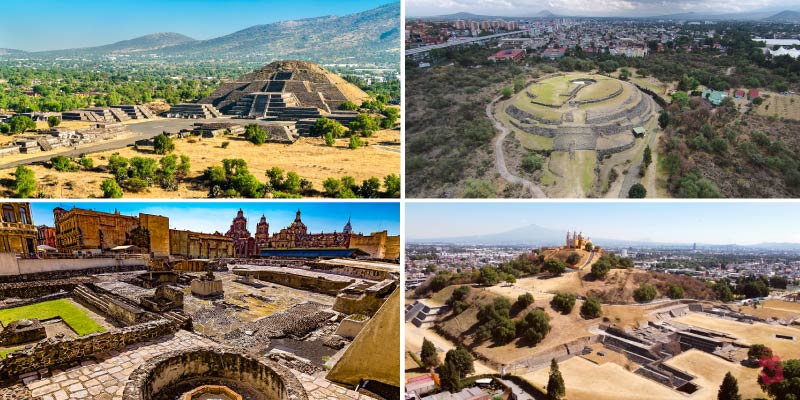
Most tourists hit Teotihuacán on Saturday afternoons when thousands of visitors create shoulder-to-shoulder pyramid climbing. I made that exact mistake once and spent 90 minutes in line just to climb the Pyramid of the Sun. The Monday hack changes everything because crowds drop 60-70% and you actually enjoy climbing the third-largest pyramid in the world without being shoved.
The hot air balloon companies love selling $150-250 USD sunrise flights for 45 minutes floating over the pyramids. My friend paid $220 and admitted the view was beautiful but not worth nearly what she spent. The alternative is to climb the pyramids yourself and enjoy the identical sunrise.
One detail catches tourists off guard. Vendors inside Teotihuacán sell “authentic ancient artifacts” that are 100% fake. If you’re not interested, politely decline and save your money for actual museum pieces or market crafts priced honestly.
Continue exploring other historical landmarks in Mexico City with the same careful approach, focusing on places that offer genuine cultural value without inflated prices.
2. Cuicuilco Pyramid
While everyone crowds Teotihuacán, Mexico City’s oldest pyramid sits completely empty 30 minutes south in a neighborhood locals barely visit themselves. Cuicuilco was formed 2,500 years ago and the pyramid costs absolutely nothing to visit. It photographs beautifully without people ruining your shots. Maybe 5-10 people show up compared to Teotihuacán’s almost 15,000 a day.
This under-visited pyramid makes for dramatic photos without crowds. Getting there requires a metro plus a bus ride totaling about 30 minutes from Roma Norte. The adjacent Parque Nacional Bosque del Pedregal offers beautiful forest walking if you want to extend the visit into a peaceful morning away from urban chaos.
3. Templo Mayor
Aztec main temple ruins sit directly behind the cathedral in Centro Histórico where the Spanish built over Indigenous sacred sites. Entry costs $80 MXN most days, about $4 USD, but Sundays offer free admission that attracts massive crowds willing to wait 2 hours just to save four dollars.
Templo Mayor takes 45 minutes maximum to explore. It’s genuinely interesting seeing layers of construction spanning Aztec empire history, but the scale feels small compared to sprawling pyramid complexes elsewhere.
Sunday visits work only when your schedule naturally aligns with being in Centro that day and you don’t mind crowds. Any other day, the $4 entry feels overpriced for what amounts to a brief archaeological stop between other Centro attractions.
4. Cholula Pyramid
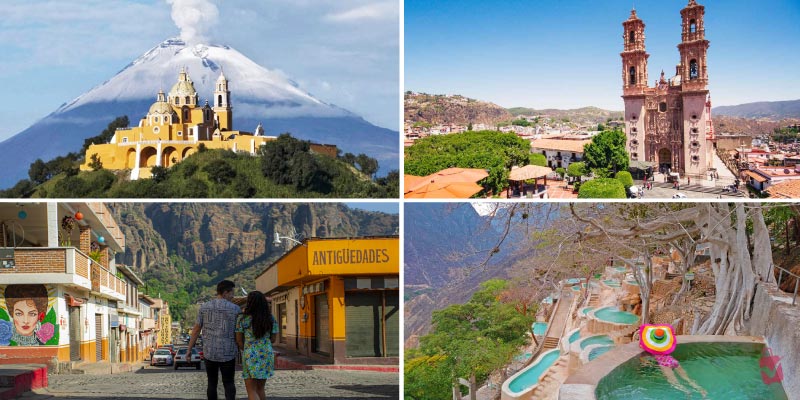
Cholula sits 2 hours away in Puebla with the world’s largest pyramid by volume, though you’d never know it because the Spanish built a church directly on top. The visual contrast creates unique photos Teotihuacán can’t match.
Bus costs run $150-200 MXN round trip. Travelers with less than 4 days in Mexico City find Teotihuacán more impressive and closer, making it the better pyramid choice. But visitors with 5+ days who want day trips combining Puebla’s colonial architecture with pyramid exploration discover Cholula delivers both in one journey.
Free Attractions in Mexico City That Save $80+ Daily
1. Chapultepec Park
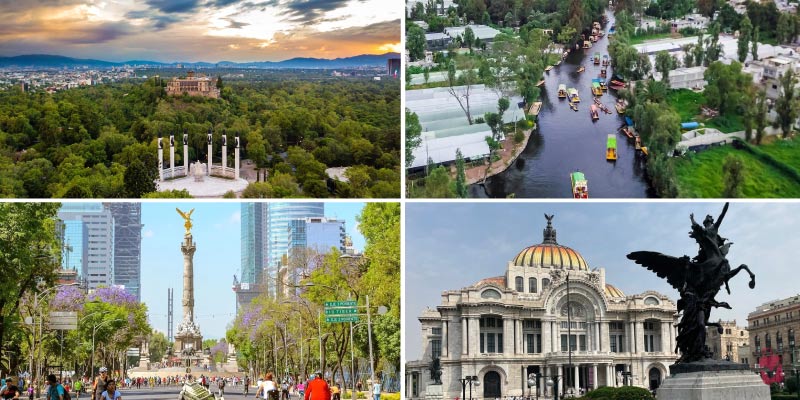
At 1,695 acres, Chapultepec dwarfs New York’s Central Park by nearly 900 acres. The mistake tourists make involves trying to “do” the entire park in 2 hours when smart strategy picks 2-3 zones maximum for a relaxed afternoon. Chapultepec Lake offers paddle boats for $60 MXN per hour, one of the few paid activities in an otherwise completely free park experience.
Weekend concerts happen sporadically with free admission, though checking the schedule beforehand prevents disappointment from showing up on off weeks. The park splits into three sections with most attractions concentrated in Chapultepec I near the Reforma entrance.
Chapultepec II and III feel more like local recreation zones where families spread blankets for picnics under massive trees providing shade from afternoon sun. Chapultepec Zoo technically offers free admission but delivers underwhelming animal exhibits compared to world-class zoos in other major cities.
2. Xochimilco Floating Gardens
UNESCO World Heritage canals built by the Aztecs host colorful trajineras, which are flat-bottom boats. Xochimilco isn’t quite nature floating through tranquil gardens, despite what romantic photos suggest. The reality brings spring break energy, meeting cultural heritage with mariachi bands and floating food vendors.
Cost runs $500-600 MXN per boat for one hour, roughly $30 USD split among your group. The per-boat pricing catches tourists off guard when drivers quote “per person” rates trying to multiply the cost.
Best timing hits Saturday and Sunday between 12pm-6pm when peak party vibes create the intended festive vibe in Mexico City. Bringing your own snacks saves massive money because floating vendors charge 2-3x normal prices for drinks and food.
3. Sunday Ciclovía
Every Sunday from 8am to 2pm, Paseo de la Reforma and other major streets shut down to cars, opening more than 50 kilometers of space for biking, skating, and walking. For six hours, the city flips its priorities. Families ride together, joggers take over traffic lanes, street performers set up along the route, and locals reclaim roads normally ruled by cars.
It is one of the easiest ways to experience Mexico City at a relaxed pace while seeing neighborhoods that feel completely different without traffic noise. Participation costs absolutely nothing beyond optional bike rentals running $10-15 per hour from vendors stationed along the route.
4. Centro Histórico Walking Tour
One of the smartest free things to do in Mexico City is a self-guided walking tour through Centro Histórico. Start at the Zócalo, then walk to the Metropolitan Cathedral, continue into the National Palace to see Diego Rivera’s murals for free, pass the exterior of Templo Mayor, and finish at the Palacio de Bellas Artes.
The full route takes about two hours and covers the city’s most important landmarks without paying tour companies $30 USD. Google Maps handles navigation, which lets you move at your own pace instead of rushing behind a guide.
For timing, weekday mornings between 9am and 12pm work best before crowds build. Weekends tend to feel more chaotic than cultural, with heavier family crowds and aggressive souvenir vendors.
World-Class Museums in Mexico City
1. National Museum of Anthropology
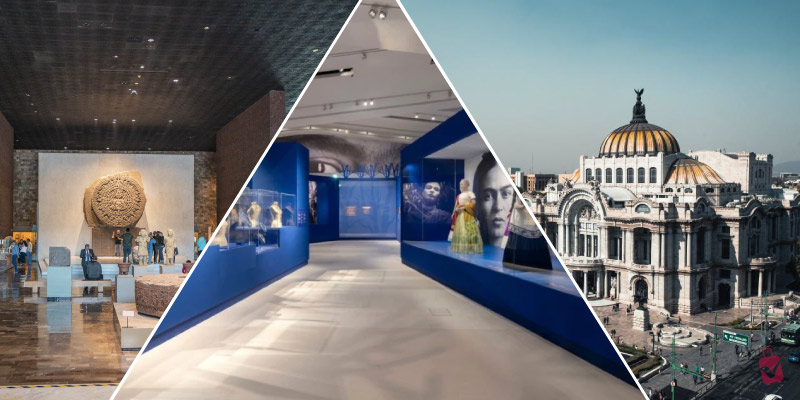
From my personal experience, I would say this is one of the most interesting things to experience in Mexico City. The Aztec Calendar Stone alone justifies 3-4 hours exploring what ranks as the world’s finest Mesoamerican collection across 22 exhibition halls.
The Mexica/Aztec section deserves at least an hour just for the Calendar Stone, ceremonial masks, and Moctezuma’s feathered headdress replica. The Maya hall needs another hour minimum for the Palenque tomb reconstruction and jade funeral masks. Entry costs only $90 MXN, about $4.50 USD.
Sundays offer free admission but create completely packed conditions where viewing artifacts becomes difficult. A better strategy involves paying the $4.50 Tuesday through Saturday for comfortable exploration where you can actually read plaques and photograph pieces without crowds blocking every angle. The museum sits inside Chapultepec Park making it easy to combine with other park activities in one trip.
2. Frida Kahlo Museum
Casa Azul sells out 2-4 weeks in advance consistently because Frida Kahlo Museum represents Mexico’s number 1 cultural export recognized globally. My friend from London showed up hoping for same-day tickets and faced complete sellout with the museum worker barely looking up before saying “no tickets, maybe next month.”
The tickets cost $250 MXN, roughly $12 USD. Street ticket sellers outside the museum gates sell 100% fake tickets that won’t get you past security, a scam that somehow continues catching tourists who ignore the giant warning signs posted everywhere.
The Diego Rivera Anahuacalli Museum sits nearby offering an impressive pre-Hispanic art collection Rivera spent decades accumulating. Far fewer tourists know about Anahuacalli despite it being architecturally stunning and substantially less crowded than Casa Azul.
The same Coyoacán neighborhood provides charming cafes and Plaza Hidalgo where you can spend the afternoon regardless of which museum you visit.
3. Palacio de Bellas Artes
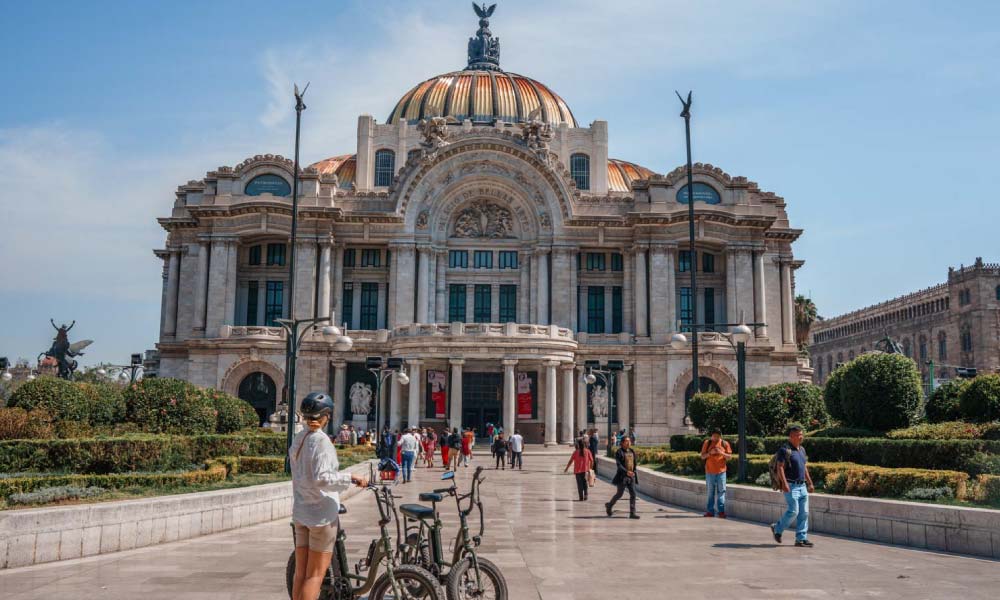
The Art Deco exterior photographs gorgeously from outside for completely free. The museum inside justifies entry only when special exhibitions align with genuine interest in the featured artist or movement. Entry costs $80 MXN for the museum but photographing the exterior marble facade and bronze dome costs nothing.
Most tourists regret paying unless they’re passionate about the current temporary exhibit displayed inside. The surrounding area offers murals by Diego Rivera, David Alfaro Siqueiros, and other Mexican muralists in government buildings that maintain free public access during business hours. These murals rival anything inside Bellas Artes museum while costing absolutely nothing to view.
Eat Street Food Safely: $0.75 Tacos vs $15 Tourist Traps
Street Tacos Reality
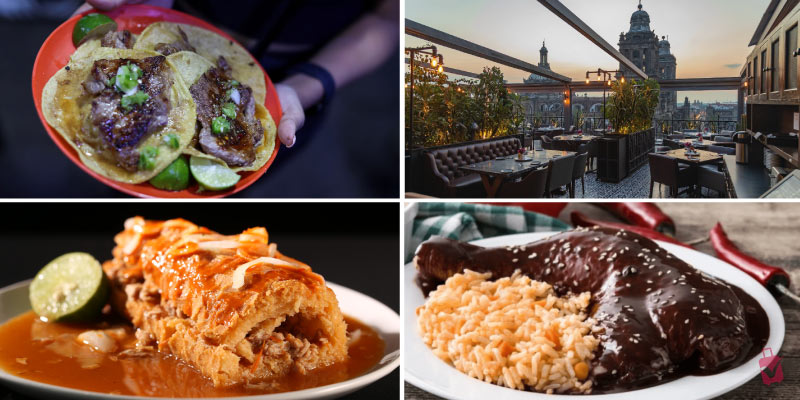
Mexico City has the world’s best street food and this isn’t debatable among people who’ve actually eaten here. The gamble comes from tap water and questionable hygiene that can wreck your vacation for 2-3 days. The local rule for choosing safe stalls focuses on high turnover where food constantly cooks fresh instead of sitting around.
Busy stands mean locals trust the vendor enough to eat there. The tacos cost $15-20 MXN each, roughly $0.75 to $1 USD. Condesa neighborhood evening taco stands attract locals willing to wait 15 minutes for their favorite vendor.
Fondas vs. Tourist Restaurants
Fondas are small family-run eateries serving identical Mexican food quality as Centro tourist restaurants at 40-60% lower prices. Tourist trap restaurants facing Zócalo charge $180-300 MXN for meals specifically designed for one-time visitors who’ll never return.
Fondas scattered through Roma Norte and Condesa charge $65-120 MXN for the same dishes locals eat daily, creating savings of $115-180 MXN per meal. Red flags identifying tourist traps include menus in English with photos, staff recruiting customers outside, and locations directly facing major plazas where rent costs triple.
Torta Ahogada Hunt
Most guides call torta ahogada Guadalajara’s signature dish that later found a home in Mexico City. In CDMX, you’ll see polished versions priced around $180 MXN that feel more like a performance than tradition. The real benchmark sits five to six hours away in Guadalajara at Mercado San Juan de Dios, widely regarded as the dish’s birthplace.
There, tortas cost $50 to $60 MXN, and are eaten before 9 a.m. by locals who would not bother ordering them anywhere else. Is the 10+ hour round trip worth it? Yes, if you are in Mexico City for a week or more, have already seen the essentials, and want a focused food pilgrimage. With limited time, CDMX market versions offer a solid introduction without the travel commitment.
Comida Corrida
Between 1pm and 4pm daily, restaurants throughout non-tourist neighborhoods serve comida corrida. It translates to “running meal” but means a set lunch menu including soup, main course, dessert, and drink for $80-120 MXN total.
The complete meal costs $4-6 USD while ordering the same items à la carte runs $20-30 USD at tourist-oriented restaurants. Daily savings of $14-24 per person add up quickly across a week-long visit. The time window matters because comida corrida ends around 4pm when restaurants shift to dinner preparation.
Kid-Friendly Activities Worth Your Time
1. Papalote Museo del Niño
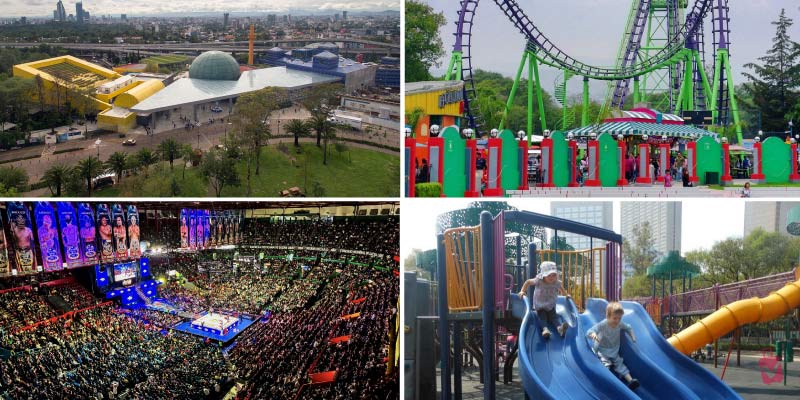
This children’s museum – Papalote Museo del Niño is filled with hands-on science exhibits keeping kids 5-12 engaged for 2-3 hours without the boredom that hits at adult-focused museums. Entry costs $200 MXN per person, roughly $10 USD. The investment pays off when kids actually enjoy learning about physics, biology, and technology through interactive displays instead of staring at static exhibits behind glass.
Kids under 5 find most displays too advanced while teens get bored quickly with activities designed for elementary school ages. The sweet spot hits families with kids 6-11 who genuinely engage with the experiments and games throughout multiple floors.
2. Six Flags México
Mexico’s largest theme park sits 30-40 minutes south with rides that work fine but deliver nothing special compared to US or European theme parks. Entry runs $500-700 MXN per person, about $25-35 USD. The reality brings long lines, mediocre food options, and exhaustion from being at altitude where even walking feels harder than it should.
My sister took her kids expecting a full day of fun and everyone felt worn out by 2pm wanting to leave early. Better value comes from spending that money and time at Chapultepec Park combined with Papalote Museum, creating better memories for less cost and physical exhaustion. The altitude factor matters more with kids who tire quickly running between rides at 2,240 meters elevation.
3. Lucha Libre Wrestling
Professional wrestling with colorful masks and dramatic fighting entertains kids who appreciate spectacle over serious athletics. Arena México hosts Tuesday and Friday night matches where luchadors fly through the air performing theatrical moves that blur sport and performance art.
Tickets cost $100-300 MXN depending on seating, roughly $5-15 USD. Ringside seats at $300 MXN put you close enough that flying luchadors occasionally land near your section, adding genuine excitement.
The shows run about 2 hours with multiple matches building from preliminary bouts to main events. Kids under 8 often find it too loud and too long, but ages 8-14 genuinely enjoy the energy and costumes creating Mexico’s unique wrestling culture.
4. Chapultepec Playgrounds
Multiple playgrounds scattered throughout Chapultepec Park offer free entertainment while adults rest from museum and pyramid exhaustion that hits harder at altitude. The playgrounds near Lago de Chapultepec provide the best combination of equipment, shade, and proximity to paddle boat rentals costing $60 MXN per hour. Kids burn energy on swings and slides while parents sit on benches watching and recovering before the next activity.
Day Trips from Mexico City: Worth It vs. Waste of 7+ Hours
1. Puebla
Two hours by bus delivers colorful Talavera tiles covering building facades, mole poblano birthplace restaurants, and Cholula pyramid nearby. The combination creates Mexico’s best day trip offering architecture, food, and ancient history packaged in one manageable journey.
Bus costs run $150-200 MXN round trip, about $7-10 USD. Full day commitment from 8am-8pm means choosing between Puebla and other activities, but the colonial architecture genuinely exceeds anything Mexico City offers in terms of preserved Spanish colonial design.
Puebla Cathedral, Biblioteca Palafoxiana with ancient books, and endless mole restaurants create a full day of activities. The nearby Cholula pyramid adds archaeological interest without requiring separate day trip planning.
2. Taxco
Silver mining town sits 3.5 hours south selling silver jewelry in shops lining cobblestone streets. Tours cost $60-80 USD plus inevitable silver purchases for what amounts to shopping in a mountain town. The marketing sells Taxco as charming colonial architecture and authentic silver craftspeople. But 7+ hours of your limited Mexico City vacation spent looking at silver jewelry feels like poor time allocation when the same silver comes from the same sources whether purchased in Taxco or CDMX markets.
3. Tepoztlán
This mountain town sits about 90 minutes south of Mexico City and is best known for the Tepozteco pyramid hike, a steep trail and ancient ruins perched on dramatic clifftops. The hike is moderately difficult and usually takes about one hour to reach the summit.
Getting there is affordable. Round-trip bus fares average around 80 MXN, making Tepoztlán one of the cheapest day trips from Mexico City. The challenge is altitude stacked on altitude. Tepoztlán sits even higher than Mexico City, which turns the climb into a serious test for anyone still adjusting.
Visitors who arrive early in their trip often underestimate this. I watched my partner attempt the hike on day two and turn back halfway, gasping for air that felt impossible to catch. Travelers who spend three to four days acclimatizing in Mexico City usually handle the hike comfortably. Push it too early, and what should feel scenic quickly becomes exhausting instead of enjoyable.
4. Grutas de Tolantongo
Natural hot springs 3+ hours north require overnight stays to justify travel time despite tour companies marketing it as a day trip option. The 6+ hours of driving for 2-3 hours at hot springs creates exhausting days where you see more highway than destination.
Better strategy treats Tolantongo as a separate weekend getaway planned apart from Mexico City exploration. The hot springs genuinely offer beautiful turquoise pools and cave formations worth visiting, but cramming it into a CDMX itinerary as a day trip leaves everyone exhausted and unsatisfied with the rushed experience.
Instagram-Worthy Spots in Mexico City
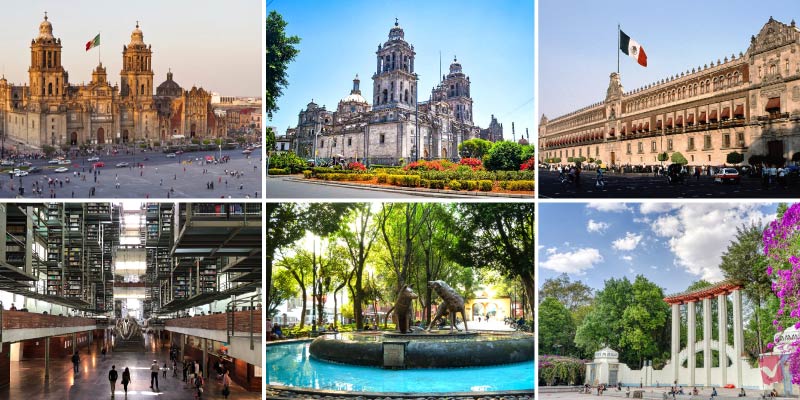
Mexico City rewards travelers who know where to look. Rooftop restaurants around the Zócalo offer aerial views of the third-largest plaza in the world, especially during golden hour from 6 to 7pm when the cathedral and National Palace glow.
Just outside the center, Biblioteca Vasconcelos feels cinematic with suspended bookshelves and a whale skeleton installation, and free entry makes it one of the best free things to do in Mexico City for photographers.
Coyoacán shifts the mood with Plaza Hidalgo and nearby streets lined in colorful colonial buildings locals use for milestone photos. In Roma Norte, ever-changing murals turn wandering into one of the most creative things to do in Mexico City for Instagram.
Nightlife in Mexico City That Locals Actually Attend
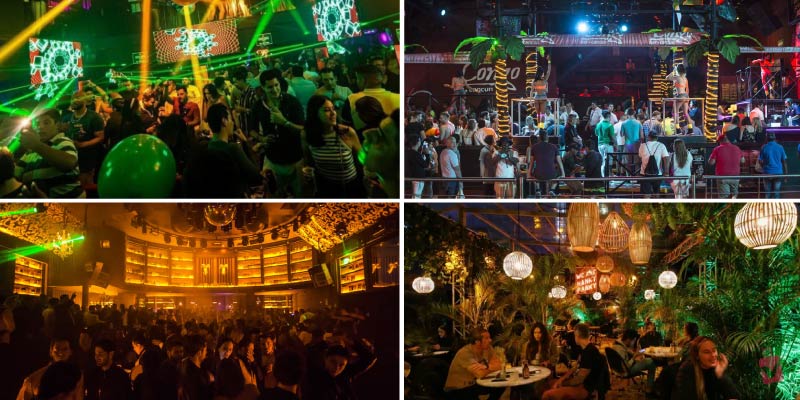
Mexico City nightlife works best when you follow local rhythms. Roma Norte packs more than 40 bars into walkable streets, offering craft cocktails, live music, and rooftop views. Energy builds Thursday through Saturday as young professionals attend late, making this one of the most popular things to do in Mexico City at night.
Cover charges are rare outside electronic clubs, and drinks usually run 80 to 150 MXN. Nearby Condesa shifts the pace. Bars around Parque México focus on conversation, outdoor patios, and long evenings that stretch into warm nights. It suits travelers who prefer relaxed social scenes over loud dancing.
Polanco delivers a more upscale option. Expect dress codes, bottle service, and a crowd drawn from the city’s wealthier neighborhoods. Casual outfits often get turned away here. Despite guidebook hype, skip Zona Rosa. After midnight it feels uncomfortable and chaotic. For a smarter Mexico City nightlife guide, Roma, Condesa, and Polanco remain the best neighborhoods for nightlife in Mexico City.
FIFA World Cup 2026 in Mexico City
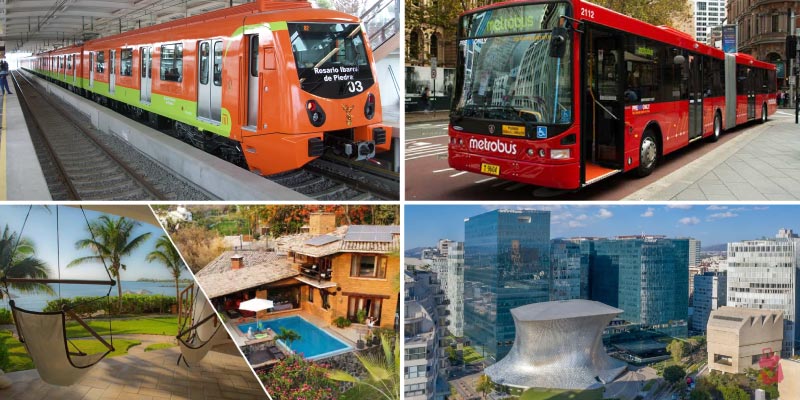
Mexico City hosts 5 World Cup matches in 2026 at the legendary Estadio Azteca between June 11-26. The stadium holds 87,523 fans, making it one of the tournament’s largest venues with an atmosphere rivaling any football ground globally.
Getting to Estadio Azteca on Match Days
Estadio Azteca sits about 30 to 40 minutes south of Roma Norte and Centro Histórico, where most visitors stay. On match days, transportation planning is critical. The easiest option is Metro Line 12 to Estadio Azteca, which drops you two blocks from the gates and remains the fastest way to get there.
After matches, avoid packed platforms by walking 10 to 15 minutes to a farther station before entering. Uber looks convenient but rarely is, because surge pricing pushes short rides to 200 to 300 MXN, and road closures trap cars in heavy traffic.
A smart local option is parking near a station three or four stops away, then taking the metro in. For anyone searching how to get to Estadio Azteca, metro-based strategies consistently beat driving and rideshares.
Where to Stay During World Cup Weeks
Hotel prices in Mexico City jump fast during World Cup weeks, reaching 2x-3x more normal rates. The biggest markups hit areas near Estadio Azteca and Centro Histórico, where many tourists book without understanding neighborhood differences.
Roma Norte and Condesa offer far better value. Because these are residential areas, hotels usually raise prices by only 30-50% while keeping the same metro access. Staying here also puts you closer to walkable streets, nightlife, cafés, and many classic things to do in Mexico City at night. Choosing the right neighborhood can easily save $100 or more per night.
Timing matters just as much. Booking late usually forces travelers into overpriced rooms in uncomfortable locations. Planning early lets you stay somewhere safe, lively, and close to the best things to do in Mexico City for first-time visitors, instead of settling for whatever is left.
Neighborhood Safety for World Cup Visitors
1. Roma Norte
Feels safe even around midnight during World Cup weeks thanks to busy streets, open restaurants, and bars full of fans. It balances nightlife and walkability, making it ideal for things to do in Mexico City at night between matches.
2. Condesa
Similar safety levels with a calmer vibe. It attracts families and couples who want comfort without heavy party energy. Both Condesa and Roma sit about 30-40 minutes from Estadio Azteca by metro, supporting easy match days and classic things to do in Mexico City for first time visitors.
3. Centro Histórico & Polanco
Safe during the day from 9am to 6pm for museums and landmarks. After 10pm, activity drops and the atmosphere changes. Visit during daylight but sleep elsewhere. Polanco is the safest option overall. It’s clean, upscale, and predictable, though less culturally immersive. Best for travelers prioritizing security over vibe.
Avoid Completely: Tepito, Doctores, and neighborhoods east of Roma Norte. Even during World Cup 2026, locals avoid these areas, making them poor bases for exploring things to do in Mexico City safely.
Official Fan Zones and Viewing Options
As the World Cup approaches, FIFA is setting up official fan zones in Mexico City, likely at Zócalo or Reforma, where all 104 matches will be broadcast. Entry is free with basic security checks, making this one of the top free things to do in Mexico City during World Cup 2026.
Food and drinks cost slightly more than usual street prices. Bars in Roma Norte and Condesa will also show games, and early reservations are recommended for high-demand matches, while less popular games allow spontaneous walk-ins.
Final Words
Mexico City rewards travelers who plan wisely and explore beyond tourist traps. Accept the altitude, savor street food strategically, and choose neighborhoods like Roma Norte for safer, more authentic experiences. With this guide, you can enjoy attractions in Mexico City more strategically, eat better meals, and save up to $80 daily.
Book early for FIFA World Cup 2026, download ride-share apps ahead, and pack layers for variable weather. The Mexico City you experience depends on the track you follow so choose the smart, local route for unforgettable things to do in Mexico City. Remember that, Your Mexico City adventure is only as good as the path you take!
FAQs
First-time travelers should focus on walkable highlights like Centro Histórico, Chapultepec Park, and Roma Norte. These classic things to do in Mexico City give cultural context without overplanning or spending heavily on tours.
Top free things to do in Mexico City include the Zócalo, Diego Rivera murals at the National Palace, Sunday Ciclovía, public parks, and neighborhood walking routes that deliver culture without entrance fees.
To experience local culture in Mexico City, explore markets, cafés, and plazas in Roma, Condesa, and Coyoacán. These areas offer authentic daily life and relaxed things to do in Mexico City outside tourist corridors.
Avoid weekends, visit popular attractions on weekday mornings, and skip guided tours. Planning things to do in Mexico City around local schedules dramatically reduces crowds, costs, and wasted time.
Unique things to do in Mexico City include Sunday Ciclovía, neighborhood food walks, local markets, free cultural events, and casual park time that reveal how the city actually lives beyond famous landmarks.
More Related Blogs From Travel Recommendations

Vacation Rentals in Miami: Best Neighborhoods & Areas to Stay
Top 10 Places to Visit in France Outside of Paris!

What Are the Safest Things to do in Atlanta at Night for Tourists?

Margaret C. Jones
Margaret C. Jones, a passionate explorer of North America, captivates readers with her vivid tales on Travelarii’s blog. With a keen eye for hidden gems and local culture, Margaret offers expert advice and unique insights to enhance your travel experience. Her stories bring the diverse landscapes and vibrant cities of North America to life, inspiring readers to embark on their own adventures.